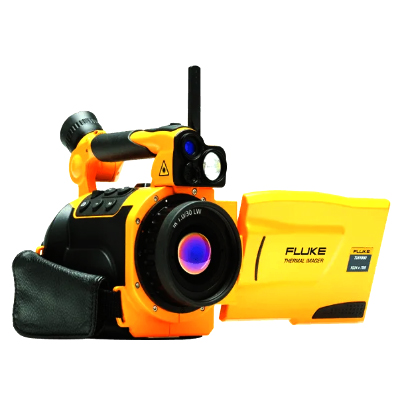
Fluke TiX1000 Infrared Camera Price in Bangladesh
The Fluke TiX1000 Infrared Camera is a professional thermal imaging instrument designed for demanding inspection and condition monitoring applications. When researching the Fluke TiX1000 Infrared Camera Price in Bangladesh, engineers and industrial buyers should consider its thermal imaging performance, measurement capabilities, inspection requirements, and suitability for their working environments. A high performance infrared camera can help technicians identify unusual temperature patterns, investigate potential equipment problems, and document thermal conditions without direct contact with the inspected surface.
Thermal Imaging for Professional Inspections
Infrared cameras detect thermal radiation and convert it into images that represent temperature distribution across a scene. These images help technicians identify differences that may indicate abnormal operating conditions or areas requiring further investigation.
The Fluke TiX1000 is intended for professional thermography tasks where detailed thermal information can support maintenance decisions. Typical inspection benefits include:
-
Identifying unusual heat patterns in industrial equipment
-
Supporting preventive and predictive maintenance programs
-
Examining electrical and mechanical systems without direct contact
-
Investigating thermal variations across components and surfaces
-
Documenting inspection findings for maintenance reports
-
Helping teams prioritize equipment that requires further assessment
Thermal imaging provides valuable diagnostic information, but findings should be evaluated alongside equipment specifications, operating conditions, and other relevant measurements.
Image Quality and Thermal Detail
Image quality plays an important role in identifying thermal patterns and examining equipment conditions. Professional infrared cameras are used to assess temperature differences across components, surfaces, and industrial installations.
When evaluating the Fluke TiX1000, buyers should confirm the exact model specifications, including thermal resolution, sensitivity, available lenses, focus options, and supported image analysis functions. These characteristics influence how effectively an instrument can examine small targets, distant equipment, and complex thermal patterns.
For reliable interpretation, operators should choose appropriate viewing distances, maintain suitable focus, and consider surface emissivity and reflected temperatures when taking measurements.
Temperature Measurement and Analysis
Temperature measurement helps engineers assess equipment performance and investigate possible faults. Unexpected heat patterns may be associated with electrical resistance, excessive mechanical friction, restricted airflow, insulation problems, or process irregularities.
A professional thermal imaging workflow may include:
-
Measuring temperature variations across accessible equipment
-
Comparing similar components operating under similar conditions
-
Identifying areas that require additional inspection
-
Recording thermal observations for future comparison
-
Reviewing temperature patterns against operating limits and maintenance history
The accuracy of a thermal measurement depends on several factors, including the camera configuration, target surface, environmental conditions, viewing distance, and operator technique. Users should follow the manufacturer's guidance to obtain meaningful results.
Electrical Inspection and Maintenance
Electrical equipment can develop overheating problems because of loose connections, overloaded circuits, component deterioration, or uneven current distribution. These issues may not be visible during a conventional visual inspection.
An appropriate infrared camera can help electrical professionals inspect accessible switchgear, distribution panels, busbars, circuit breakers, and electrical connections. By identifying unusual heat patterns, technicians can determine where additional testing or corrective maintenance may be necessary.
When using the Fluke TiX1000 for electrical inspection, operators must follow applicable electrical safety procedures, maintain required approach distances, and use appropriate protective equipment. Thermal imaging does not replace electrical testing, isolation procedures, or other mandatory safety measures.
Mechanical Equipment and Predictive Maintenance
Mechanical equipment produces heat during normal operation, but unusual temperature patterns can indicate friction, misalignment, lubrication problems, or developing component deterioration.
Thermal imaging can support the inspection of motors, pumps, fans, compressors, gearboxes, and other machinery. Maintenance teams can establish baseline thermal conditions and compare subsequent observations to identify changes that deserve further investigation.
For consistent monitoring, inspect equipment under comparable operating conditions whenever possible. Record the equipment identification, operating state, environmental conditions, and relevant observations to make future comparisons more useful.
Industrial Process Monitoring
Industrial facilities depend on reliable equipment operation and controlled process conditions. Temperature irregularities can affect production efficiency, equipment reliability, and product quality.
The Fluke TiX1000 may be considered for thermal inspection programs involving manufacturing machinery, heating equipment, process lines, and other suitable industrial assets. Thermal images can help operators investigate uneven heating, identify areas that need attention, and document changes in equipment condition.
Before using the camera for a specific process, confirm that its measurement capabilities, temperature range, lens configuration, and environmental ratings are appropriate for the intended application.
Building Diagnostics and Facility Inspection
Infrared imaging can help facility managers investigate temperature variations across building surfaces and installed systems. Depending on environmental conditions, thermal surveys may reveal patterns associated with insulation irregularities, air leakage, moisture-related concerns, or heating and cooling performance.
When using a thermal camera for building diagnostics, users should consider sunlight, wind, reflected heat, surface emissivity, and temperature differences between indoor and outdoor environments. These factors can influence the resulting images.
Thermal imaging can identify areas for further investigation, but additional tests may be necessary to confirm the source of a suspected building problem.
Operating Guide for Fluke TiX1000 Infrared Camera
Correct operation is essential for obtaining clear thermal images and useful measurements. Always consult the manufacturer's operating manual for model-specific instructions and safety requirements.
Prepare the Camera
-
Inspect the camera body, lens, display, battery, and accessories
-
Ensure the battery is adequately charged
-
Check that the lens is clean and free from visible damage
-
Confirm the camera settings suit the intended inspection
-
Review the environmental conditions and operating limitations
Configure the Inspection
-
Select suitable thermal measurement settings
-
Choose an appropriate lens for the target and working distance
-
Adjust the focus according to the manufacturer's instructions
-
Consider emissivity and reflected temperature where relevant
-
Ensure the target is visible and unobstructed
Capture Thermal Images
-
Hold the camera steadily while capturing images
-
Position the camera at a suitable distance from the target
-
Examine relevant components systematically
-
Compare similar components when appropriate
-
Record unusual temperature patterns and inspection observations
Review and Document Results
-
Review thermal images for unexpected temperature variations
-
Compare observations with historical records and equipment specifications
-
Identify areas that require further investigation
-
Save and organize images using the available data management functions
-
Prepare reports according to the requirements of the maintenance team
Maintain the Instrument
-
Store the camera in a clean and suitable environment
-
Protect the lens and display from impact and contamination
-
Follow the recommended battery charging and storage procedures
-
Use compatible accessories and approved cleaning methods
-
Arrange servicing or calibration when required by the manufacturer or organizational procedures
Durability and Practical Usability
Professional inspection instruments require proper care to maintain reliable performance. The suitability of the Fluke TiX1000 for demanding environments depends on the protection and operating conditions specified for the exact model.
Before purchasing, verify the manufacturer's specifications for environmental protection, operating temperature, storage conditions, lens compatibility, and maintenance requirements. Users should avoid exposing the camera to conditions outside its approved operating limits.
Regular inspection, proper storage, careful lens handling, and suitable battery maintenance can help preserve the instrument and its accessories over time.
Scope of Use Across Different Industries
The Fluke TiX1000 may be suitable for professional thermography applications across a range of industries, subject to its confirmed specifications and the inspection requirements.
Common application areas include:
-
Electrical engineering: Examining electrical distribution equipment and accessible connections
-
Manufacturing: Monitoring industrial machinery and production equipment
-
Power and utilities: Supporting thermal inspections of suitable electrical assets
-
Mechanical maintenance: Investigating abnormal heating in rotating machinery
-
Facility management: Examining building systems and installed equipment
-
Industrial services: Conducting thermal surveys and documenting inspection results
-
Technical diagnostics: Supporting condition assessment and troubleshooting activities
The appropriate application depends on the camera's capabilities, the target characteristics, the operating environment, and the qualifications of the person conducting the inspection.
Important Factors When Selecting an Infrared Camera
Selecting a thermal imaging instrument requires matching its capabilities to the work that needs to be performed. Buyers should review the following factors before choosing the Fluke TiX1000.
-
Thermal resolution: Confirm that the imaging detail meets the requirements of the inspection
-
Temperature measurement: Check the supported measurement range and relevant functions
-
Thermal sensitivity: Consider the ability to distinguish small temperature differences
-
Lens options: Determine whether the available lenses suit the required viewing distance and target size
-
Focus capabilities: Review the focusing method and its suitability for different inspection conditions
-
Image analysis: Confirm the available tools for reviewing and documenting thermal data
-
Environmental suitability: Check the specified operating and storage conditions
-
Service support: Verify authenticity, warranty coverage, and access to technical assistance
The exact specifications and included accessories should always be confirmed through official manufacturer documentation or an authorized supplier.
Fluke TiX1000 Infrared Camera in Bangladesh
Organizations looking for the Fluke TiX1000 Infrared Camera in Bangladesh should purchase from a reputable supplier of professional test and measurement equipment. Before placing an order, confirm the exact model, product authenticity, included accessories, warranty conditions, documentation, and after sales support.
Industrial facilities, electrical contractors, engineering teams, and maintenance departments should also consider whether the camera meets their specific inspection needs. Choosing an appropriate thermal imaging instrument can support systematic maintenance planning, equipment troubleshooting, and inspection documentation.
Why Choose Fluke TiX1000 Infrared Camera?
The Fluke TiX1000 is worth evaluating for professional applications that require detailed thermal inspection and analysis. A suitable infrared camera can help maintenance teams observe temperature patterns, investigate potential equipment problems, and document findings for informed decision making.
Potential benefits of a professional thermal imaging solution include:
-
Non-contact temperature inspection for suitable applications
-
Visual identification of unusual thermal patterns
-
Support for preventive and predictive maintenance
-
Inspection documentation for maintenance planning
-
Assistance with troubleshooting electrical and mechanical equipment
-
Integration into structured condition monitoring programs
Actual performance depends on the confirmed camera specifications, operating conditions, correct setup, and the operator's ability to interpret thermal images.
The Fluke TiX1000 Infrared Camera is intended for professional thermal imaging and equipment inspection applications. It can support electrical maintenance, mechanical troubleshooting, industrial process monitoring, and facility diagnostics when configured appropriately for the task. By following the manufacturer's operating guidance, applying suitable safety practices, and documenting results consistently, users can make thermal imaging a valuable part of their inspection and maintenance workflow.